
Low water pressure can make everyday tasks, such as showering, washing dishes, and doing laundry, more difficult. For homeowners, understanding why water pressure drops is an important step toward identifying plumbing problems before they become more disruptive. If you are looking for a plumber Doylestown homeowners can contact for plumbing concerns, learning about common causes can help you recognize when professional attention may be necessary.
Low water pressure can result from mineral buildup, clogged pipes, leaking plumbing, faulty fixtures, or problems with the municipal water supply. Some issues affect only one faucet, while others reduce water flow throughout the entire house. Identifying the symptoms and possible causes can help you determine the appropriate next steps. This guide explains common reasons for low water pressure in Doylestown homes and when to consider a professional plumbing inspection.
Mineral Buildup Inside Pipes
Mineral deposits can accumulate inside plumbing pipes over time, particularly when water contains dissolved minerals. As these deposits build up, they may gradually narrow the available space for water to flow, reducing pressure at affected fixtures.
Older plumbing systems may be more susceptible to certain types of buildup, depending on the pipe material and water conditions. Homeowners might notice that water flow becomes weaker gradually rather than dropping suddenly.
A plumbing inspection can help determine whether mineral accumulation is contributing to the problem. Depending on the condition of the pipes, a plumber may recommend cleaning, repairs, or replacement of affected sections.
Clogged Faucet Aerators and Showerheads
Faucet aerators and showerheads contain small openings that regulate water flow. Mineral deposits, sediment, and other particles can collect in these openings, restricting the amount of water that passes through.
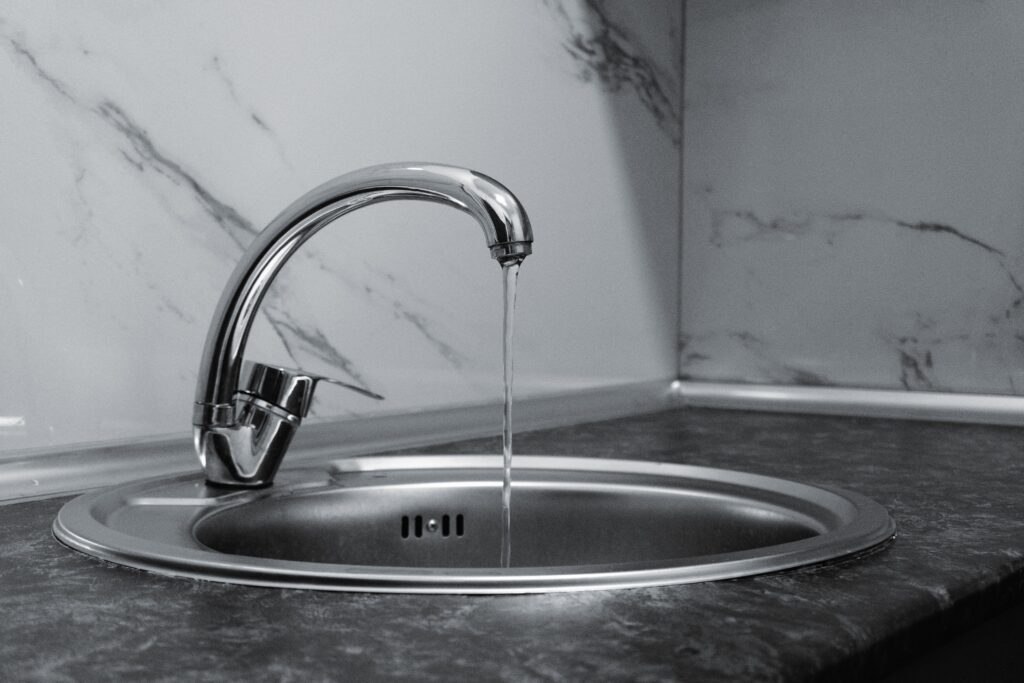
If low pressure affects only one faucet or shower, a clogged fixture may be responsible. Other faucets throughout the house might continue operating normally, which can help narrow down the possible cause.
Cleaning or replacing an affected aerator or showerhead may restore normal flow when the blockage is responsible. If the problem continues after the fixture is cleaned, further investigation may be needed to identify an issue elsewhere in the plumbing system.
Hidden Plumbing Leaks
A leak can divert water away from its intended destination and may contribute to reduced pressure in certain plumbing systems. Leaks can develop in exposed pipes, concealed plumbing lines, joints, and connections.

Homeowners may notice unexplained damp spots, water stains, musty odors, or an unexpected increase in their water bill. However, some leaks remain hidden behind walls, beneath floors, or underground, making them difficult to identify without an inspection.
If you suspect a leak, contact a qualified plumber Doylestown residents can consult about locating and repairing plumbing problems. Addressing leaks promptly can help limit water damage and unnecessary water waste.
Problems With the Main Water Valve
The main water shutoff valve controls the water supply entering a home. If the valve is partially closed, damaged, or malfunctioning, it may restrict water flow to multiple fixtures.
This problem can occur after plumbing repairs, maintenance, or other work involving the home’s water supply. Homeowners may notice that sinks, showers, and other fixtures are affected at the same time.
Checking whether the main valve is fully open may help identify a simple cause, provided it is safe to access. If the valve is stuck, damaged, or difficult to operate, avoid forcing it and arrange for a plumbing professional to assess the issue.
Pressure Regulator Malfunctions
Some homes have a pressure-reducing valve designed to regulate incoming water pressure. This device helps keep water pressure within an appropriate range for the plumbing system.
When a pressure regulator becomes worn or malfunctions, it may cause pressure to drop or fluctuate. Homeowners might experience inconsistent flow at several fixtures even when the municipal supply appears normal.
A plumber can inspect the regulator and determine whether adjustment, repair, or replacement is appropriate. Because incorrect pressure settings can affect plumbing components, homeowners should avoid making unfamiliar adjustments without understanding the system.
Corroded or Aging Plumbing Pipes
Older metal pipes may corrode internally as they age. Corrosion can create rough surfaces and buildup that gradually restrict the passage of water through the plumbing system.
Low pressure may develop slowly and affect multiple fixtures, particularly when several pipe sections have deteriorated. Discolored water or recurring plumbing problems may also indicate that the system needs closer examination, although these symptoms can have other causes.
A professional inspection can help establish whether corrosion is contributing to restricted flow. Depending on the pipe material and extent of deterioration, the appropriate solution may involve repairing or replacing specific sections rather than the entire system.
Municipal Water Supply Problems
Sometimes, low water pressure originates outside the home. Municipal water supply maintenance, nearby water main repairs, or temporary service disruptions can affect water pressure in a neighborhood.
If several nearby homes experience similar symptoms at the same time, the issue may involve the public water supply rather than an individual plumbing system. Pressure may return to normal after the external problem is resolved.
Homeowners can contact their local water utility to ask about service interruptions or maintenance. If neighboring properties have normal pressure but the problem continues inside one house, a plumbing inspection can help determine whether the cause is within the property.
High Household Water Demand
Water pressure may temporarily decrease when several fixtures or water-using appliances operate simultaneously. For example, running a shower while a washing machine fills can increase demand on the home’s plumbing system.
This effect may be more noticeable in homes with undersized pipes, older plumbing layouts, or limited water supply capacity. If pressure improves when other fixtures are turned off, simultaneous demand may be contributing to the problem.
A plumber can assess whether the plumbing system is appropriately sized for household needs. Depending on the findings, recommendations may include addressing restrictions, correcting pipe sizing issues, or investigating the incoming water supply.
When to Call a Professional Plumber
Occasional changes in water flow may have a simple explanation, but persistent or widespread low pressure deserves attention. Problems affecting several fixtures, recurring pressure fluctuations, suspected leaks, and sudden unexplained changes may indicate an underlying plumbing issue.
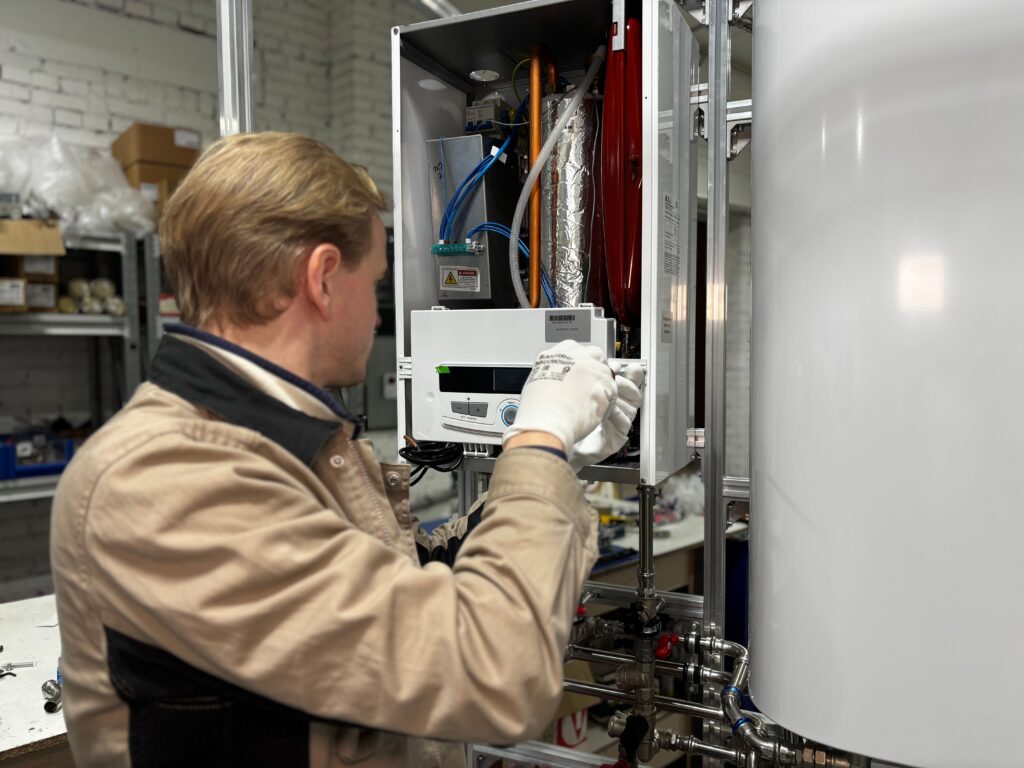
A qualified plumber Doylestown homeowners contact can inspect fixtures, valves, pipes, and other relevant components to identify the source of the problem. The appropriate repair depends on the findings, so diagnosing the cause before choosing a solution is important.
If water pressure drops suddenly throughout the house or you notice signs of a significant leak, arrange for prompt professional assessment. If the issue appears to affect the neighborhood, contact the water utility as well.
Frequently Asked Questions
Why is my water pressure suddenly low?
A sudden drop can result from a partially closed valve, a plumbing leak, a fixture blockage, or a temporary municipal supply problem. If several fixtures are affected, investigate the broader water supply and plumbing system.
Why is water pressure low in only one faucet?
A clogged aerator, obstructed fixture, or faulty faucet component may restrict flow at a single location. Cleaning the aerator or having the fixture inspected can help identify the cause.
Can old pipes cause low water pressure?
Yes, corrosion and mineral buildup can narrow the interior of certain aging pipes. A plumber can inspect the system and determine whether repair or pipe replacement is necessary.
Does low water pressure always mean there is a leak?
No, low pressure can result from several issues, including clogged fixtures, valve problems, and municipal supply disruptions. A professional inspection can help rule out leaks and identify the actual cause.
When should I contact a plumber about low water pressure?
Contact a plumber when low pressure persists, affects multiple fixtures, or occurs alongside signs of a possible leak. Sudden or severe changes should be assessed promptly to prevent further plumbing problems.
Conclusion
Low water pressure in Doylestown homes can develop for several reasons, including clogged fixtures, mineral buildup, leaking pipes, faulty pressure regulators, corrosion, and municipal supply problems. Household water demand and partially closed valves can also affect water flow. Identifying whether the issue affects one fixture or the entire home can help narrow down the possible causes.
Regular attention to plumbing maintenance and timely inspections can help homeowners address developing problems before they lead to more extensive repairs. If cleaning a fixture or checking an accessible valve does not resolve the issue, professional diagnosis may be the most appropriate next step. Understanding the cause is essential to selecting a suitable repair and maintaining reliable water flow throughout the home.
Contact On Point Plumbing & Building for Plumbing Assistance
If low water pressure is affecting your home, On Point Plumbing & Building can be contacted to discuss your plumbing concerns in Doylestown. A professional assessment can help identify potential causes and determine which repairs may be appropriate for your plumbing system.
Call 267-263-7673 to inquire about plumbing assistance and discuss the symptoms you have noticed. Addressing persistent water pressure problems early can help you understand the condition of your plumbing system and make informed decisions about the next steps.